Safe Opening & Unlocking: What Actually Goes Wrong (and Why It Takes a Professional)
Most people assume a locked safe is simply a matter of 'forgetting the numbers.' In reality, the reasons safes become inaccessible are surprisingly varied. Mechanical combination dials develop wear points over decades, causing internal cams to slip and making a once-reliable combination stop working. Electronic keypads — common on residential gun safes and hotel-style document safes — can fail due to dead or corroded batteries, wiring faults, or a control board that has simply reached the end of its service life. Relocker pins, which are a deliberate security feature designed to engage after a tamper attempt, can be inadvertently triggered by a hard bump during a move, permanently blocking the bolt work until the safe is professionally opened. Biometric fingerprint readers add another layer of potential failure, especially in Florida's humid Gulf Coast climate.
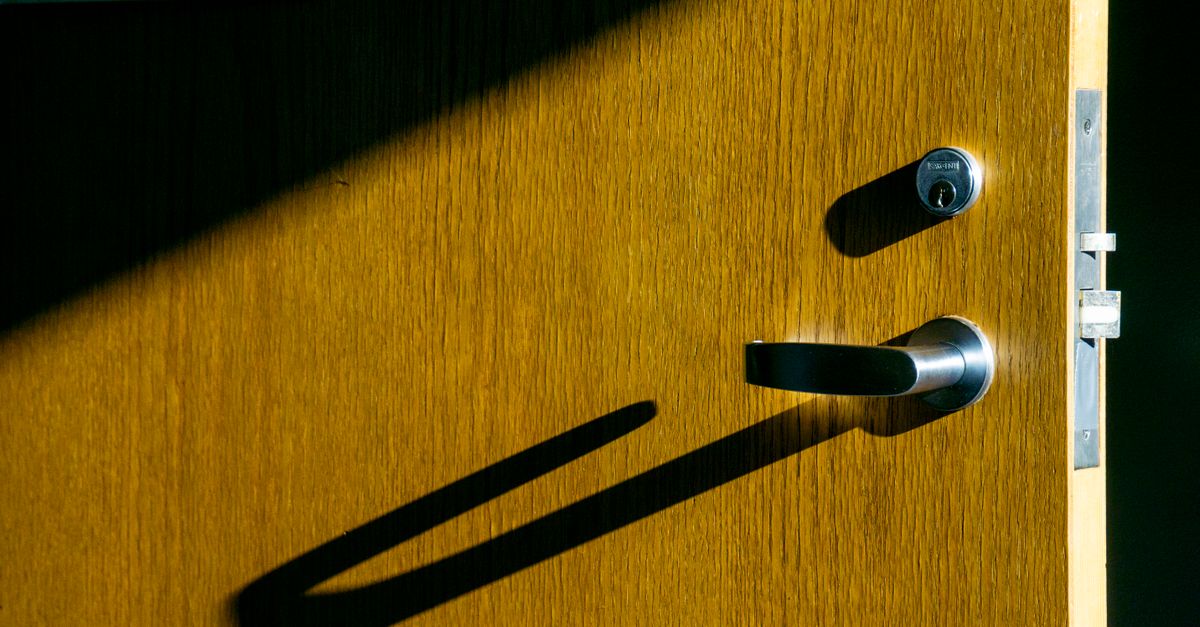
Then there is the mortise lock — a mechanism found inside the door body itself on many high-security safes and commercial vault doors. A mortise lock integrates the latch bolt, dead bolt, and sometimes a relocking device into a single self-contained cartridge. When a mortise lock inside a safe door seizes, corrodes, or is damaged by a forced-entry attempt, it cannot simply be 'picked' from the outside the way a surface-mounted lock can be. It requires a trained technician who understands the internal geometry of the door, knows how to read the lock's condition non-destructively, and can determine whether manipulation, impressioning, or controlled drilling is the right path forward. This is precisely the kind of situation our experienced team handles daily across Bradenton and the surrounding Manatee County area.