Ford Car Key Replacement: What Type of Key Does Your Ford Use?
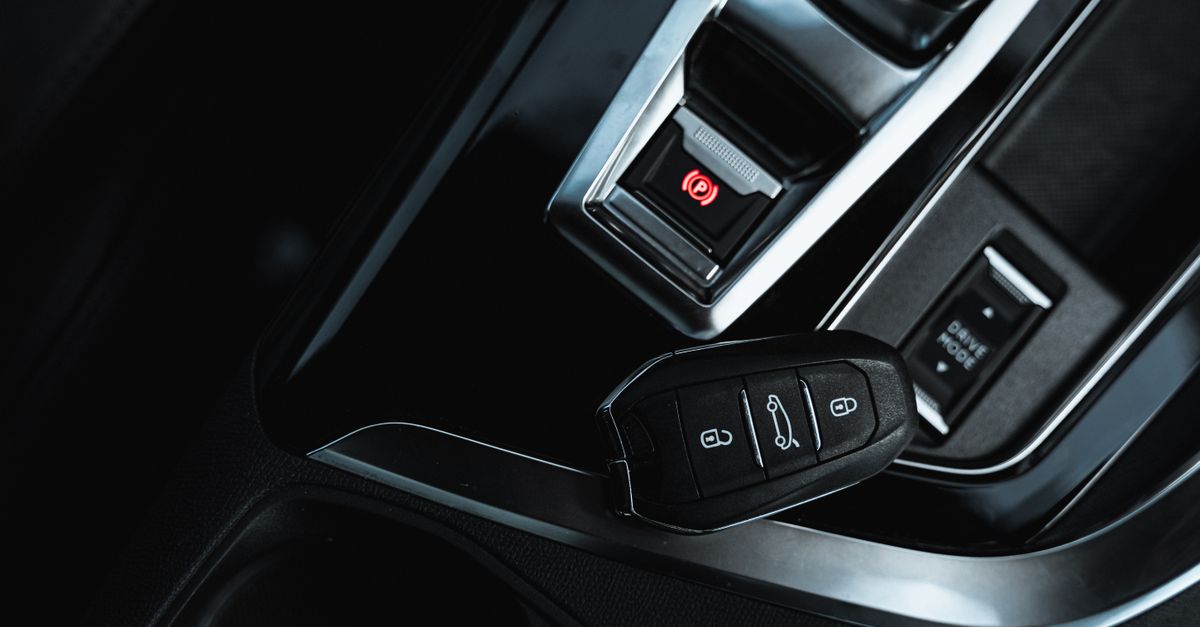
Ford has used several distinct key technologies across its model lineup over the past three decades, and knowing which one your vehicle requires directly affects how the replacement is made and programmed. Older Ford trucks and vans — certain Transit models and pre-2000 Rangers — used basic mechanical keys with no electronic component. From the mid-1990s onward, Ford introduced 80-bit transponder chips embedded inside the key's plastic head; the vehicle's immobilizer system reads the chip's signal at startup, and if the signal is missing or unrecognized, the engine won't crank. Later models moved to remote head keys that combine a mechanical blade with a built-in fob (lock, unlock, panic). Current Escapes, Explorers, Edges, and Expeditions largely use proximity smart keys — also called Intelligent Access keys — that allow push-button start without inserting anything into the ignition.
Each technology requires a different process. A transponder key needs both a precisely cut blade and a programmed chip matched to your vehicle's PCM. A smart key requires specialized PATS (Passive Anti-Theft System) programming equipment. Our technicians carry the diagnostic tools and blank key inventory to cover all of these Ford key types, and we perform every step on-site. That means no towing to a dealer, no multi-day waits for an ordered part, and no disruption to your schedule beyond the time it takes us to drive to your location in Bradenton.